Democratising access to metrology for nanomedicine
METRINO’s fifth objective was to facilitate uptake of the project’s outputs by the measurement supply chain, standardisation bodies and end users. WP5 contributed by turning complex technical work into accessible public resources, enabling internal and external dialogue, and preparing routes towards future use.
Contribution to expected impact Making technical outputs easier to find, understand, discuss and prepare for reuse
Four routes supporting future uptake
Uptake requires more than producing technically robust outputs. WP5 connected the proposal’s expected impact with four practical routes serving partners, external experts, developers, standardisation communities and other potential users.
Find
Website, visual identity, publications, public results pages, news, social channels and the METRINO Zenodo community.
Understand
Academy sessions, replay articles and accessible explanations of measurement methods, workflows and project results.
Discuss
Internal prioritisation and exploitation work, alongside external workshops, advisory input, consultations and live discussions.
Prepare for reuse
Exploitation planning, visibility for SOPs and datasets, standardisation dialogue and post-project legacy routes.
What WP5 delivered From a didactic results hub to live learning, stakeholder dialogue and routes towards uptake
The METRINO Academy
The METRINO Academy became WP5’s flagship public learning and dissemination format. Five live sessions translated complex measurement topics into accessible discussions and durable replay resources linked to the project’s technical results.
Academy participation and feedback
Explore the five Academy replay articles
Each article summarises a live session and links readers back to the relevant technical context, speakers and resources.
Industrialising Nanomedicines
Lessons from Nanobiotix on moving a nanomedicine product from innovation towards industrial development.
Choosing the Right Measurement Method
A practical discussion on matching methods with the measurand, sample and intended decision.
RNA LNP Measurement Across Laboratories
Comparability, AF4 workflows, payload analytics and the lessons of interlaboratory work.
Correlative Imaging for Nanomedicine
How complementary methods can connect localisation, quantification, chemical identity and tissue context.
Surface Chemistry in Nanomedicine
Practical lessons on functional groups, coatings, accessibility and robust surface characterisation.
A didactic results hub and public access layer
Five easy routes into METRINO’s technical results
WP5 converted the outputs of each work package into a consistent public pathway: what was developed, what the evidence shows, where the limits remain, and which publications, datasets, SOPs and related resources can be accessed.
Public communication infrastructure
A shared identity, project website, news, public channels, publication visibility and a dedicated Zenodo community.
Accessible learning resources
Five Academy sessions and five replay articles translating technical results into accessible, topic-based resources.
Internal and external dialogue
Consortium prioritisation and exploitation exchanges, complemented by workshops, advisory input and public interactive sessions.
Pathways towards uptake
Support for exploitation planning, public visibility of validated outputs, standardisation dialogue and post-project continuity.
Stakeholder dialogue across the project
Dialogue took place both within the consortium and with external communities. It helped partners prioritise outputs, test how results were understood and connect technical evidence with possible exploitation and standardisation routes.
Consortium discussions, collective prioritisation, DCE coordination and exploitation work connected technical progress with ownership, users, access and follow-up choices.
The SAB, workshops, Academy sessions, targeted consultations and standardisation exchanges brought questions and perspectives from outside the consortium.
Initial consultation at NME23
- Discussion of reference materials, methods, matrices and training needs.
- Early external input gathered near the start of the project.
Standardisation roadmap workshop
- Exchange between metrology, industry, regulatory and standardisation perspectives.
- Discussion of routes from technical evidence towards future standards work.
Preliminary clinical survey insights
- Twenty-two responses from 16 countries.
- An initial view of clinical and translational measurement needs—not a representative European survey.
METRINO workshop at NME25
- More than 50 participants.
- Project results discussed through reference materials, ILCs, SOPs and analytical methods.
METRINO Academy
- Five live public sessions.
- Replay articles created as lasting resources.
Final meeting in Turin
- External standardisation perspective from the Chair of ISO/TC 229.
- Forty-one participants contributed 197 entries on future use, priorities and legacy during a structured Miro exercise.
Preparing routes towards exploitation and standardisation
WP5 helped the consortium organise the next steps around technical outputs. This work prepared pathways; it does not imply that every output has already been adopted, commercialised or converted into a standard.
What WP5 taught us Four conditions for making technical results usable beyond the project
Four conditions for making technical results usable
Reusing the WP5 model Practical lessons for future research projects
Practical lessons for future research projects
Continue: maintain validated outputs and replay resources, and add relevant follow-up publications or standards activity when these become public.
Stop: treating dissemination as a final-stage reporting exercise or using reach metrics as a substitute for evidence of uptake.
Start: define post-project ownership, update routes and intended users for every major public resource before project closure.
ETPN impact team
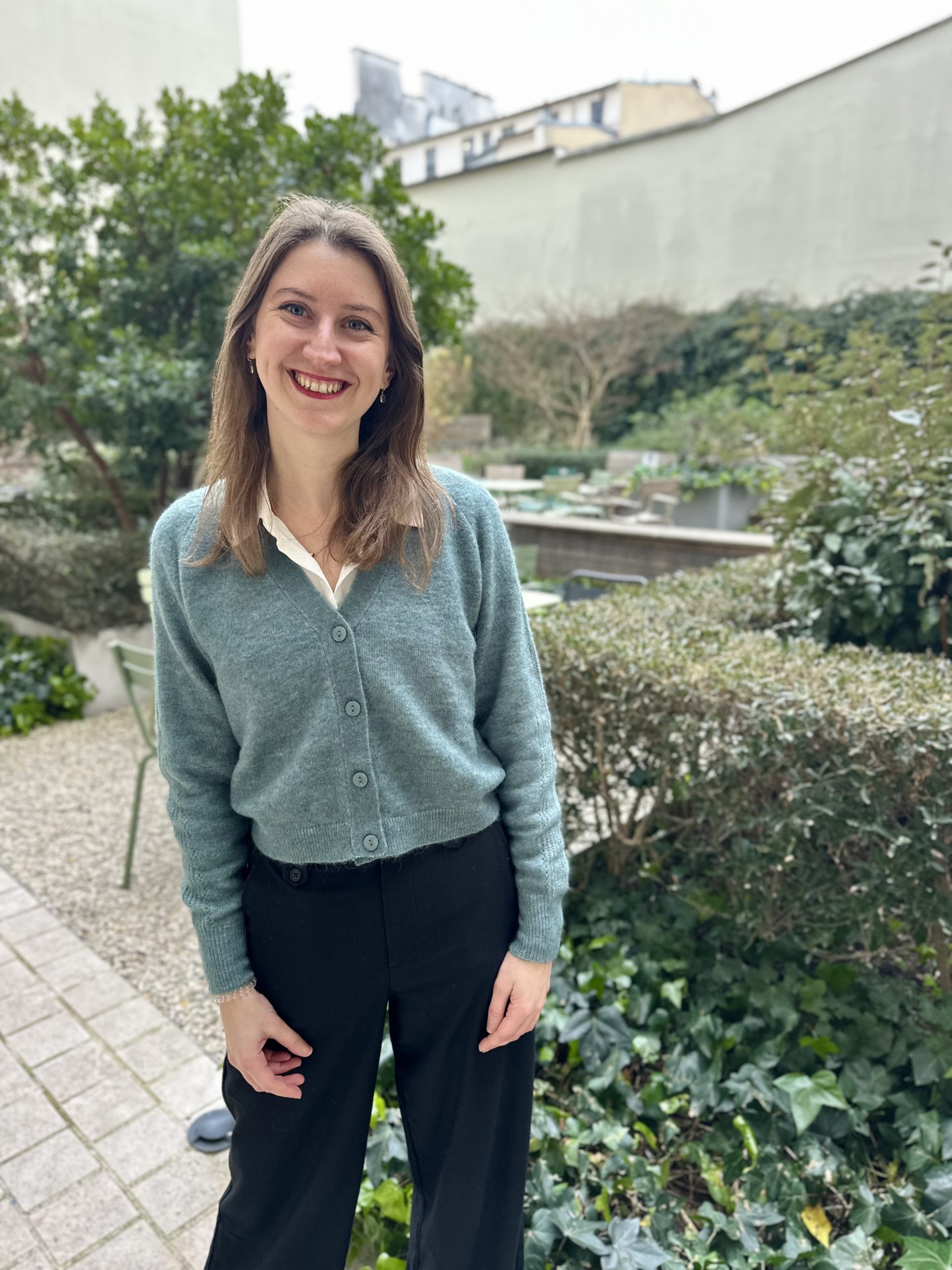
Dr Clémence Nadal
WP5 Project Manager, ETPN
Role in METRINO: operational coordination of communication and dissemination activities, website and content development, Academy delivery, stakeholder engagement and final legacy resources.

Dr Alexandre Ceccaldi
WP5 Lead, ETPN
Role in METRINO: coordination of WP5, strategic stakeholder engagement, dissemination, exploitation support and the connection between technical outputs and wider nanomedicine communities.
A consortium-wide effort: WP5 was coordinated by ETPN, but its public resources depended on technical content, data, publications, event contributions and standardisation evidence provided across the METRINO consortium.
The website is intended to remain the project’s public memory and a route towards validated follow-up outputs—not a claim that every result has already achieved external uptake.
