Connect the results
Looking across the five technical work packages to identify the principles linking METRINO’s results.
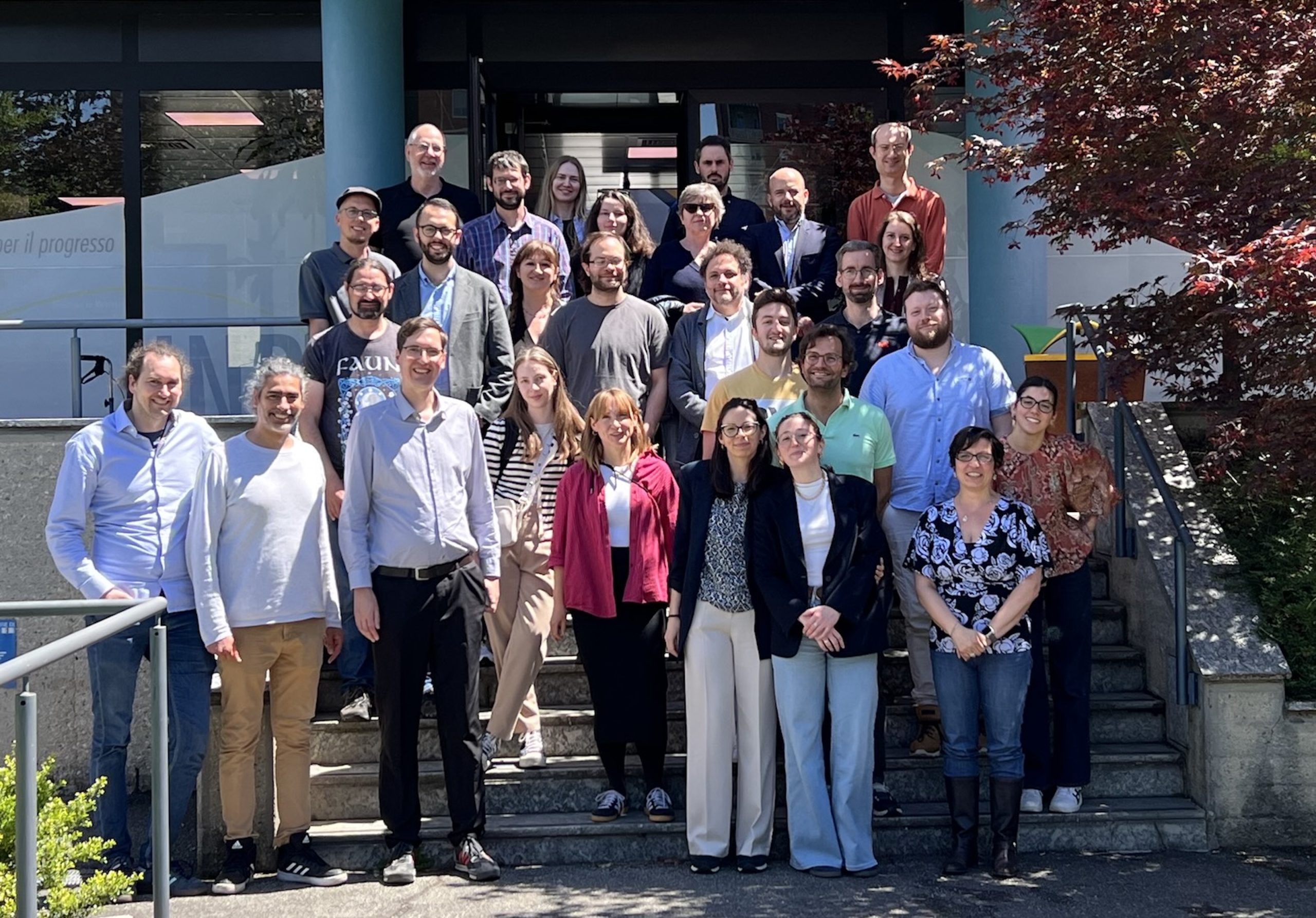
The MetrINo consortium met at INRiM in Turin on 11 and 12 May 2026 for the project’s final meeting. Across two days, partners first reviewed the achievements of the five work packages, then explored standardisation pathways with Charles Clifford, Chair of ISO/TC 229 Nanotechnologies, and finally invited stakeholders to identify priorities for future uptake. The meeting connected the project’s technical results with the practical conditions needed to keep them useful after MetrINo ends.
Looking across the five technical work packages to identify the principles linking METRINO’s results.
Exploring how methods, evidence and documentation can support standardisation and wider uptake.
Turning 197 stakeholder contributions into seven priorities for making project outputs easier to reuse.
The first stage of the meeting focused on what MetrINo had delivered. Through the MetrINo in a Nutshell presentations, the five work packages followed the same simple structure: the challenge before MetrINo, the main result produced during the project, the lessons learned and the actions that should follow.
Together, the presentations showed how the work packages addressed different parts of the same measurement challenge:

WP1 identified candidate reference materials for inorganic and lipid based nanomedicines. The work highlighted the potential of iron oxide and upconversion nanoparticles, while also showing the importance of stability monitoring, industrial collaboration and interlaboratory studies when suitable certified materials are not available.

WP2 improved the characterisation of complex nanomedicines. Its work on FeraSpin R demonstrated why complex and polydisperse samples require several complementary techniques. One method alone cannot fully describe particle size, structure and chemical composition.

WP3 established harmonised AF4 workflows for RNA LNPs. Ten laboratories applied predefined protocols and achieved strong recovery, repeatability and reproducibility. The work showed that LNPs can be separated from serum proteins without aggressive extraction, provided that the measurand, sample preparation and data treatment are clearly aligned.

WP4 developed a correlative imaging workflow for nanoparticle detection in tissues. Reference phantom tissues and shared protocols enabled different imaging techniques to be compared on the same samples, creating a basis for more consistent localisation and quantification.

WP5 connected technical results with the wider community. Through the MetrINo Academy, communication activities and stakeholder engagement, the project translated complex measurement questions into practical discussions on workflows, comparability and standardisation.
Rather than presenting five isolated areas of work, the session revealed a common project message. Trustworthy nanomedicine measurements require appropriate materials, complementary methods, harmonised protocols, clear data treatment and collaboration across laboratories and sectors.
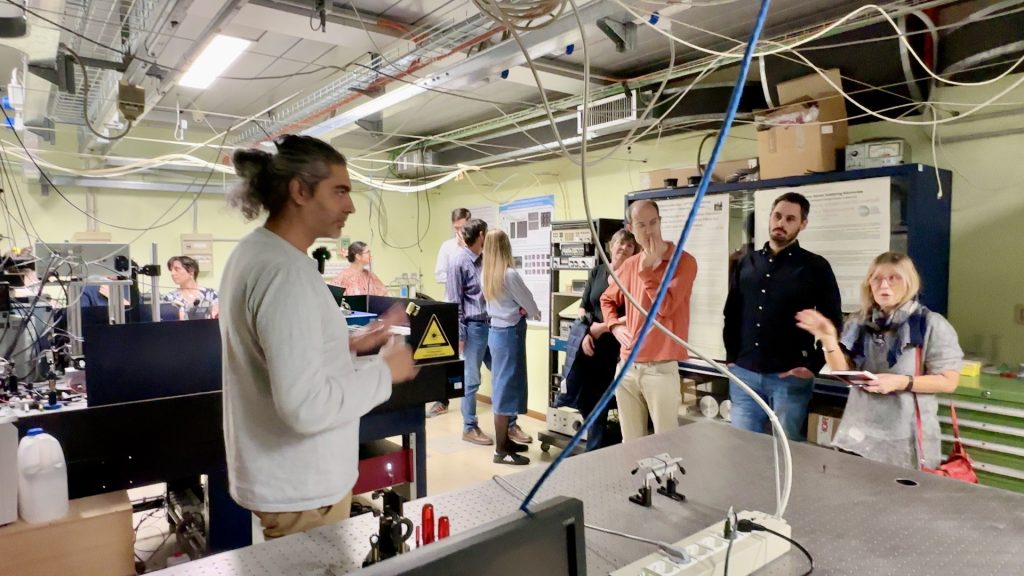
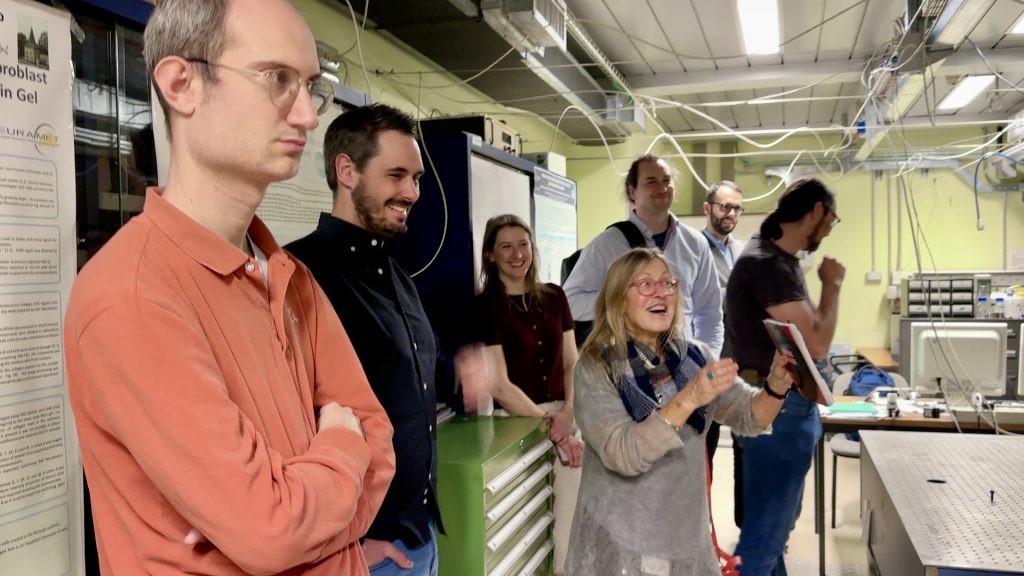
The second stage of the meeting focused on a different question: not how to standardise a finished result, but how standardisation thinking can guide technical development from the beginning.
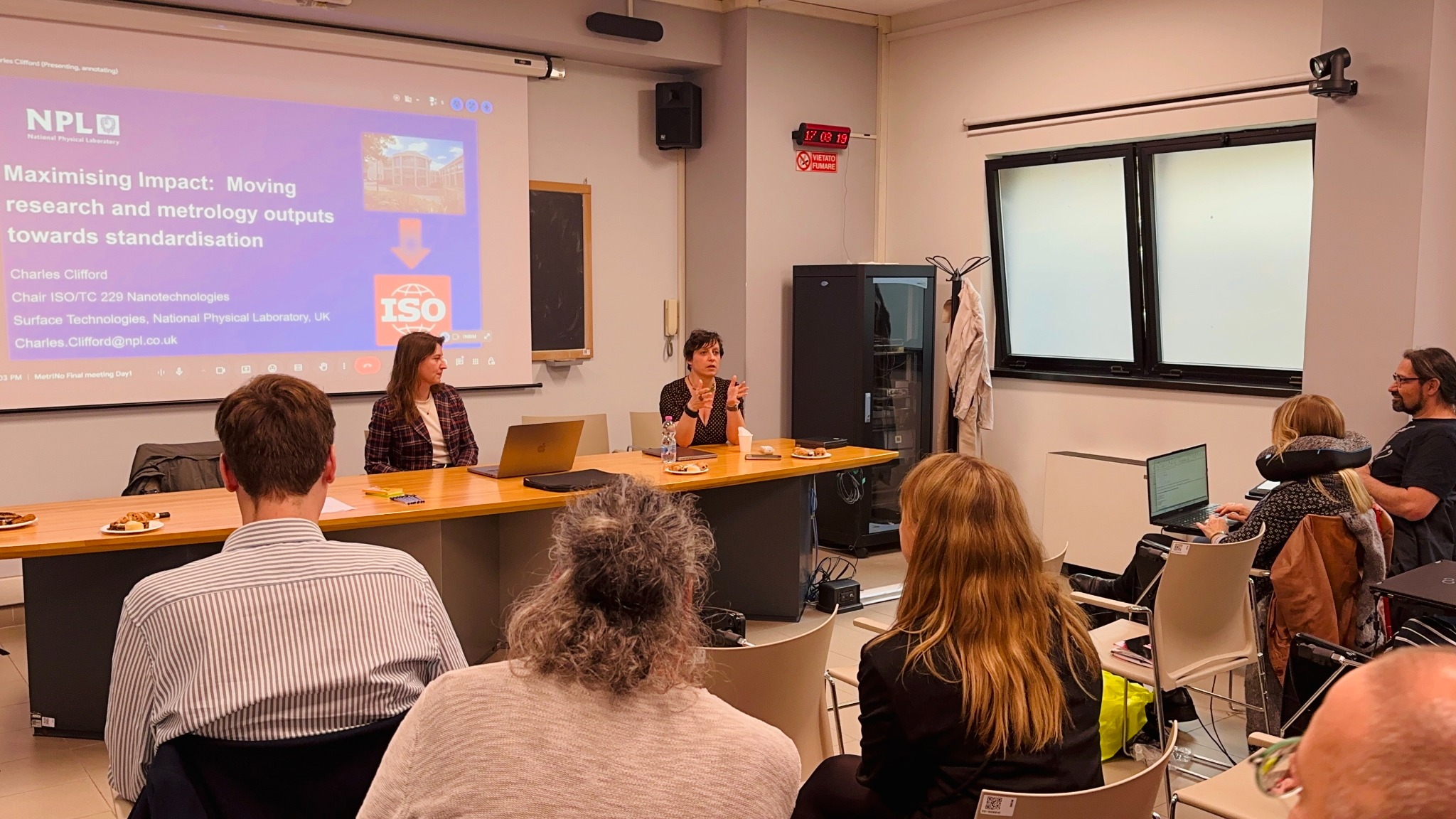
Charles Clifford, Chair of ISO/TC 229 Nanotechnologies, joined the meeting to explain what standardisation experts need from technical developers. His intervention encouraged partners to consider future users, relevant standards communities and evidence requirements while methods are still being designed and tested.
This means asking several questions early in a project:
Considering these questions from the start can influence how experiments are planned, how interlaboratory studies are designed and how results are reported. It can also prevent useful technical work from becoming difficult to reuse because essential information was not collected or documented during development.
For MetrINo, this perspective provided a useful way to reflect on the project’s results. It also offered a clear lesson for future research projects: standardisation should not be treated as a final dissemination or exploitation step. It should help shape the technical work itself.
Standardisation by design
Standardisation thinking can help technical developers decide what evidence to collect, how to validate a method and how to document it while the work is still being developed.
Identify the intended users, application and measurement challenge.
Clarify the measurand, scope, samples and operating conditions.
Build uncertainty, data treatment and interlaboratory validation into the work.
Connect with relevant standardisation experts before the method is finalised.
The third stage shifted the perspective from the consortium to the wider community. Organised on 12 May as the sixth METRINO Academy event, the stakeholder consultation brought together 41 participants around a practical question: what should be kept, improved or prioritised after METRINO?
Participants worked in two parallel breakout groups:
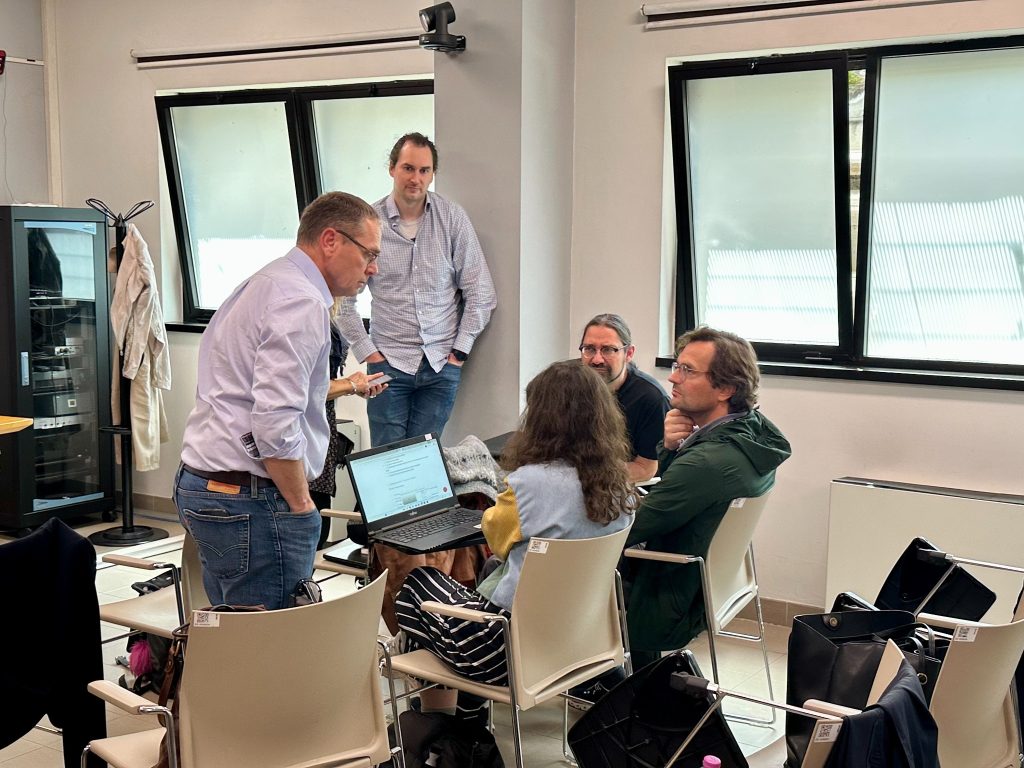
Using the Rose–Bud–Thorn framework, each group identified existing strengths, opportunities for further development and remaining barriers to reuse. Miro captured the full qualitative discussion, with contributions divided almost evenly between the two rooms: 98 for Measurement Foundations and 99 for Translation & Uptake.
Slido was then used to move from this broad diagnosis towards a more focused prioritisation of possible legacy actions. The objective was not to vote directly on individual comments, but to translate the collective discussion into shared priorities for the
future use of METRINO’s results.
The consultation resulted in seven shared priorities:
The final meeting did not produce a single prescription for uptake. It produced something more useful: a clearer understanding of the conditions that make scientific results reusable: appropriate materials, complementary methods, transparent data treatment, practical documentation and early dialogue with future users.
The redesigned METRINO results and legacy space is one practical response to the priorities expressed in Turin, making the project’s outputs easier to find, understand and reuse beyond its formal end.
Beyond the final meeting
The redesigned METRINO results space is one practical response to the priorities expressed in Turin: making scientific outputs easier to find, understand and reuse. Explore the project’s results, publications and open data, SOPs and protocols, Academy resources and three-year milestone timeline.
Explore the METRINO legacy
METRINO warmly thanks INRIM for hosting the final meeting in Turin, as well as all consortium members, invited experts and stakeholders who contributed to the discussions on 11 and 12 May 2026.

The METRINO project has received funding from the European Partnership on Metrology (Grant #22HLT04), co-financed from the European Union’s Horizon Europe Research and Innovation Programme and by the Participating States. Views and opinions expressed are however those of the author(s) only and do not necessarily reflect those of the European Union or EURAMET. Neither the European Union nor the granting authority can be held responsible for them.